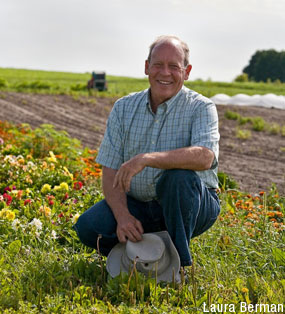
We can no longer be complacent about our food choices. Find out more ... Green Business StrategiesEnhancing the Triple Bottom Line is second nature to David. Find out how Dave can help you ...
Why Sustainable Good Food Consulting?
The food we grow, purchase and create truly impacts our climate, biodiversity and culture. We can no longer be complacent about our food choices. Appropriate food selections preserve our soil, maintain our jobs, strengthen our wellbeing, stimulate our innovations, and preserve our traditions. Conscientious corporate and individual decisions today will lead to further beneficial food alternatives tomorrow.
David Cohlmeyer’s broad experience in the food industry can help you contribute to Sustainable Good Food. He will work with you to actually make your contribution a profitable venture for you.
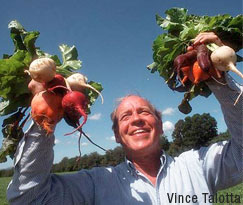
David's Approach
David provides a collaborative approach to agriculture and food consulting. His key purpose is to supplement knowledge to build the capacity for clients to dependably make thoughtful and sustainable decisions. He enables an educational process to profitably bring realization to business visions. David starts by identifying a clear and concise assessment of the problem. This typically addresses both the technical and organizational reasons why the problem exists. Working together with the client and the staff, they create relevant solutions. These must be fully understood and supported by everyone to assure effective implementation. Still working together, they evaluate success in resolving the problem.
Consulting Experience
David Cohlmeyer graduated from Purdue University in 1968 with a Bachelor of Science in Industrial Management. He started his career as an Internal Consulting Engineer for a large manufacturer primarily working in the “new” ecological projects such as recycling, tailings pond reclamation, and noise abatement. In the 1970’s, as a Systems Consultant , David worked with mid-sized manufacturers gathering input from the staff (from President, to clerks, to machinists) to create efficient and useful accounting and reporting systems.
In the 1980’s he started consulting in the food industry by adapting natural ingredient recipes for co-packed retail sales. He also worked with The Big Carrot natural food market to create their first Vegetarian Café and to research a system for distributing locally grown organic foods. He consulted with Toronto hotels and restaurants to incorporate new vegetarian choices into their menus. In the 90’s, he assisted innumerable farmers help themselves enter local organic markets.
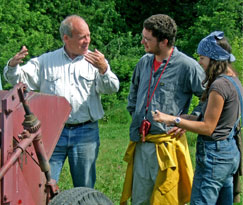
Sustainable Food Experience
After taking a night school cooking class with George Brown College’s renowned Chef Willy Brand, David fell in love with honest good food. He became owner/chef of Toronto’s acclaimed Beggars Banquet Restaurant. A few years later he began a catering business which made use of the quality garden ingredients he was learning to grow. To share what he was discovering about local good foods, David wrote a weekly column in The Globe and Mail. He also returned to George Brown College, this time to teach cooking classes. To further promote the concept of seasonal local foods and to create a network of local food professionals, he was founding president of the Toronto Culinary Guild.
Perceiving a demand for consistent supplies of high quality specialty local produce, David founded Cookstown Greens market garden in 1988. There was so much demand for the exceptional flavours and consistent service his staff was able to provide, that he determined the best way to grow a sustainable business was to expand the local supply by helping other farmers enter the market.
David Cohlmeyer has now retired from the highly acclaimed Cookstown Greens business he built; to return to Professional Consulting. He continues his volunteer support of the local good food movement by being on the Advisory Council for Sustain Ontario, Borad Member for FarmSmart and Culinary Advisory Committee Georgian College.
Read more about David Cohlmeyer in this Edible Toronto article.
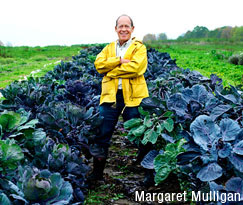
David’s generous contributions laid the groundwork for Southern Ontario’s local sustainable foods industry by:
- Speaking at many ecological agriculture conferences
- Helping found the first Feast of Fields farmer/chef celebration
- Helping create North America’s first Organic Farmers’ Market
- Writing magazine articles and appearing on TV and radio shows
Awards & Distinctions

Governor General’s Award
for Stewardship and Sustainability (2010)
The Governor General’s Award in Celebration of the Nation’s Table recognizes and celebrates the outstanding efforts of Canadians in improving the quality, variety and sustainability of all elements and ingredients of our nation’s table. Awards are presented to individuals who inspire, teach and delight us with their contributions. David was presented with the first ever Stewardship and Sustainability Award in June of 2010.
Environmental Award of Excellence
at the Green Toronto Awards (2010)
National Supplier of the Year Pinnacle Award
(2007)
Ontario Supplier of the Year
from The Ontario Hostelry Institute (2002)
Nabisco Canadian Food Writing Award
(1986)
Market Gardening & Farming
- Environmentally Sustainable AgricultureEnvironmentally Sustainable Agriculture
Environmentally Sustainable Agriculture
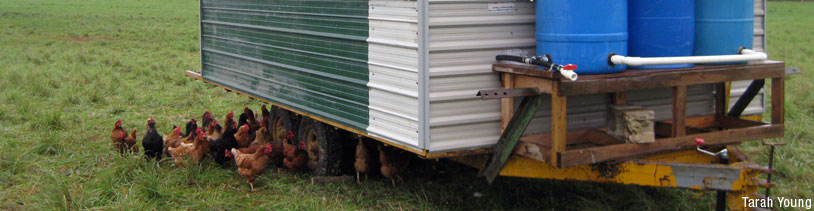
Environmentally Sustainable Agriculture is not only beneficial for the planet and your customers; it is also beneficial for local economies and financially sustainable farms. Healthy soil reduces pests and permits consistent production despite the weather. A result of ongoing experiments is that David has learned ways to sustainably work with nature. He is willing and able to share his ongoing experience on large, small, and international projects.
Healthy soil
Plants can produce crops with chemically derived fertilizers. But after millions of years in co-development, plants thrive with biologically active soil.
- Innovative MethodsInnovative Methods
Innovative Methods
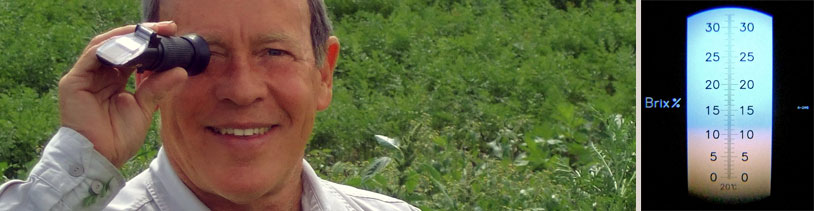
Innovative Methods, developed and shown to be reliable over many seasons, are David’s specialty. Extending the seasons (both in the spring and the fall) maintains supportive customers. He has learned how to gently stress the plants by generously feeding the soil with organic matter; while taking care to avoid excess nutrients and water. This maximizes both flavour and shelf-life. Monitoring Brix and Diffusion levels objectively confirms enhanced quality.
Brix
Brix and Diffusion measurements are a quick and simple indicator of a plant’s health. They provide objective prospect for flavour, nutrition and shelf-life.
- MarketingMarketing
Marketing
Marketing has become an important element for successful farmers. “Putting your face on your food” is to build your Brand by simply telling your customers, a very effective way for growers to enhance sales. David can help you start this on your website, in periodic newsletters and CSA recipes, with social media and even on your product packaging.
“Putting your face on your food”
An excellent way to market superior locally grown food is to simply tell your customers how you grow it. (Uniform imported food inherently lacks good stories.)
- Root Cellar StorageRoot Cellar Storage
Root Cellar Storage
Root Cellar Storage is a terrific way to maintain customers and ensure cash flow throughout the year. David can help you learn how to select the best varieties to grow, determine the optimum planting dates, extend shelf-life with proven post-harvest handling procedures, and learn appropriate root cellar design and management practices.
Post-harvest handling procedures
Growing food with care is an important first step. But this care must continue after harvest to maintain the fresh flavours and long shelf-life customers expect.
- Greenhouse GrowingGreenhouse Growing
Greenhouse Growing
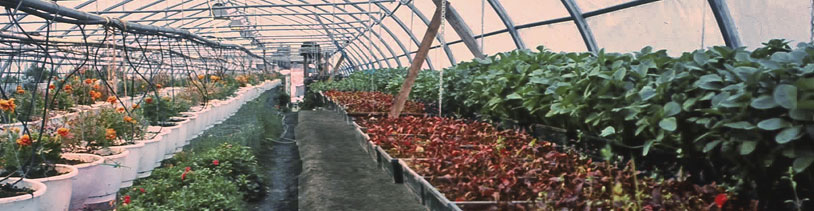
Greenhouse Growing can extend seasons of cool weather crops right through the winter; plus they can extend the season for popular warm-weather crops. With little room for error due to high greenhouse overhead, David can help you learn the finer points of successful greenhouse production.
Greenhouse production
The artificial environment of a greenhouse makes it difficult to manage so many factors. It takes training and experience to proactively avoid problems.
- Farm ManagementFarm Management

Farm Management
Farm Management starts with thorough planning. David can show you how to create effective spreadsheets for ideal planting schedules, optimal staffing, and accurate cost accounting. From all this he can help you learn how to set fair prices. He can help you setup an effective computerized accounting system; and show you all the useful information it can provide. If you are not already maintaining a Business Plan, David can help you create one and show you how to keep it current.
Business Plan
A thorough business plan is an important document for profitably operating any business; monthly monitoring and periodic updates are vital to a sustainable business.
- Government SupportsGovernment Supports

Government Supports
Government Supports have become an important part of a successful farm business. David is qualified to prepare a Farm Financial Assessment, Cost of Production Study, and Business Plan that qualifies you for 50-75% reimbursements from the Federal and Provincial Growing Forward program. On-Farm Research is an ongoing part of ecological farming. Learn how to plan for SR&ED projects so you can be reimbursed with substantial tax credits for this work. David can also help you take advantage of the various federal, provincial, and local supports you may be eligible for.
SR&ED
Due to ongoing “cheap food policies,” our governments are aware farmers require supports. Farmers need to take advantage of these supports.
Green Business Strategies
- Enhancing the Triple Bottom LineEnhancing the Triple Bottom Line
Enhancing the Triple Bottom Line
Enhancing the Triple Bottom Line is second nature to David. His broad knowledge of green business opportunities and sustainable food systems makes David an ideal candidate for helping to develop sustainable corporate strategies. As a forward thinking thought leader he has a practical intuition of forthcoming public desires. This can be beneficial for all stakeholders – the organization itself, the community in which it operates, and the environment which it protects.
Triple Bottom Line
Planet, People, and Profit is an inclusive way to value business. David can help corporations protect the environment, benefit local communities, and assure profits for all stakeholders involved.
- Social EnterpriseSocial Enterprise
Social Enterprise
Social Enterprise is an excellent fit with Urban Agriculture. Many troubled individuals feel an immediate connection with growing food. This work is labour intensive while capital moderate, meaning that the social benefits can be cost effective. The products are something needed every day yet are derived from simple inputs of labour, water, air and sunlight. This can be a tremendous benefit to the local community. David’s deep-rooted understanding of sustainable gardening allows him to coach the driver of the project as well as explain the project for supporters. David’s experience can prevent problems and bring measurable long-term success to urban agriculture ventures.
Benefit to the local community
In addition to the inherent attraction of the work, participants develop skills in production, marketing, maintenance, record keeping, planning and research.
- Urban AgricultureUrban Agriculture
Urban Agriculture
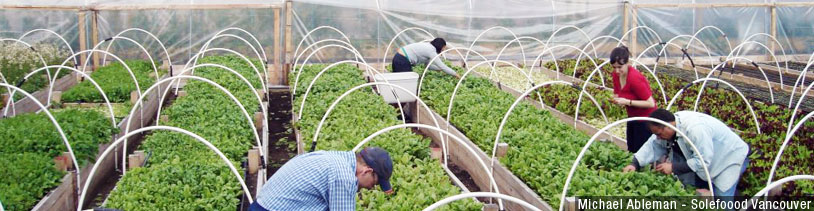
Urban Agriculture is a terrific way to introduce urban dwellers to the intricacies of agriculture. Fresh flavour from so close to home helps people to become aware of what they are missing . But also many new varieties and seasonal variations create enjoyment. With less than 3% of the population being farmers, it falls upon urban citizens to understand then politically support what farmers need to assure sustainable good food security. Actual food production in unused spaces right near one’s home or place of work not only makes it easy to know food producers, it also exposes urbanites to the enchantment of growing food.
What they are missing
Like the frog in the pot of hot water, most people have become unaware of the flavour choices and traditions which global foods are bringing to an end.
Teaching & Speaking Featured Speaker
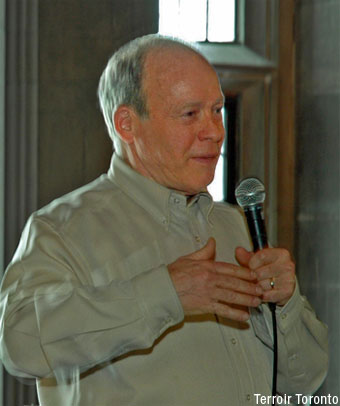
is one of David Cohlmeyer’s specialties:
- Nova Scotia (2012), Ontario (2008), Canadian Chefs Congress
- Vancouver Island, BC (2012) Cowichan Valley
- Fredericton, New Brunswick (2011) ACORN
- Ottawa, Ontario (2011) Just Food
- Guelph, Ontario (2011) (2002) GOC
- Toronto, Ontario (2009) Terroir, (2008) COG
- Orillia, Ontario (2008) Great Lakes CSA
- St Catherine’s, Ontario (2007) (1997) OFVC
- Cornwall, Ontario (2007) (2000) Eco Farm Day
- Saratoga Springs, New York (2006) (2002) (1999) RFFP
- Manchester, New Hampshire (2005) NEVFC
- Turin, Italy (2004) Slow Food Terra Madre
- Montreal, Quebec (2003) Intl.Assoc.Food Professionals
- Unity, Maine (2001) MOFGA
- Vancouver, BC (1998) Cuisine Canada
- Chicago, Illinois (1998) NAFDMA
- Group SessionsGroup Sessions
-
Group Sessions
Group Sessions are a great way David can share his extensive experience and knowledge. These can be adapted for culinary classrooms, team building, business meetings , and agricultural conferences. His most popular sessions are:
- Winter Greenhouse Growing and Root Cellar Storage
- Soil Building for Reduced Pests and Weeds
- Micro-Nutrients for Superior Flavour and Extended Shelf-life
- Marketing – Informing the World How You are Special
- Business Plans, Bookkeeping and Accounting for a Sustainable Farm
- Creating Recipes to get the most from Seasonal Variations
- Lead Comparative Tastings of Seasonal Fruits and Vegetables
- Conference WorkshopsConference Workshops
-
Conference Workshops
Conference Workshops are a tremendous way for David to explain specific subjects to larger groups. His informative photos provide a colourful backdrop for his fascinating stories. David’s intimate knowledge of food production and distribution systems qualifies him to effectively speak to many groups.
- Television AppearancesTelevision Appearances
-
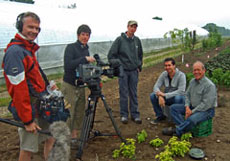
Television Appearances
Television Appearances are something David is very comfortable with. He can quickly explain issues for newscasts; and provide more extensive information for food shows.
- Tour LeaderTour Leader
-
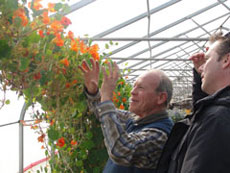
Tour Leader
Tour Leader of farmers’ markets, urban food projects, and farm visits is a way David can expose the intricacies of food production to both urban and rural folk.
Chefs & Food Services
Restaurant & Hotel Chefs
Restaurant and Hotel Chefs who focus on ingredients are always on the lookout for superior flavoured ingredients.
They also require consistent supplies. David can help forage for sources and locate suppliers who can meet these needs.
With his farming experience he can help your favourite farmers improve their quality and service.
Customers who care about the food they eat want to know about where the ingredients come from. David can help identify fascinating narratives for menu and media purposes.
Produce Distributors
Produce Distributors who carry premium ingredients are the ones who typically deliver this good food to chefs. Unique quality ingredients keep these chefs intrigued.
David’s comprehensive knowledge of produce seasons, varieties, sources and history can certainly suggest ways to encourage chefs to purchase something “new.”
Broader Public Food Service
Broader Public Food Service operations are being encouraged to serve more local foods.
David can help locate reliable suppliers. But more importantly, he can inform purchasers of ways to successfully work with local suppliers; and coach farmers to understand the necessity for consistent supplies and delivery times.
David can help make local food initiatives successful.
Artisanal Food
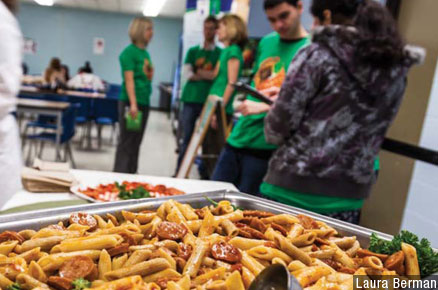
Artisanal Food producers also require consistent local food sources. David can help locate and learn how to work with specialty producers. He can help you build relationships to obtain consistent supplies of reduced price cosmetically challenged seconds or easy-to-use “perfect” sizes.
David is also experienced in creating scalable natural foods recipes that can be adapted for co-pack facilities.
He is also very capable in helping you track costs of production; and then use this information to assure sustainable pricing.
As Supplier of the Year
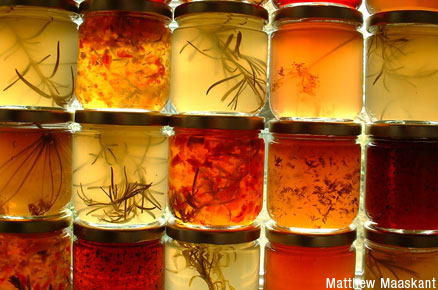
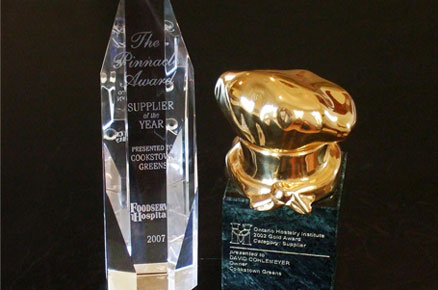
As 2002 and 2007 Supplier of the Year, David is very familiar with the exacting requirements of the food service industry.
With over twenty years of growing and delivering produce for this industry, he knows what is required to boost farm-to-table connections.
If you like working with a particular farmer who needs help with consistency, help yourself by putting this farmer in contact with David.
Writing About Food & Farms
David’s recent articles:
- Winter Radishes - Winter 2015
- Arugula and Kin - Spring 2015
- Sweet Potatoes - Fall 2014
- Celery and Celeriac - Winter 2013
- Melons - Summer 2013
- Onions - Winter 2012
- Chili Peppers - Fall 2012
- Cucumbers - Summer 2012
- Fava Beans - Spring 2012
- Root Cellars - Winter 2011
- Garlic - Fall 2011
- Edible Flowers - Summer 2011
- Asparagus - Spring 2011
- Jerusalem Artichokes - Winter 2010
Writing about your food is the best way to share your passion. David can help you create an easy-to-use format for creating informative articles with clear descriptions and thoughtful imagery. Informative writing will be requested, read, appreciated, and remembered!
Recurring Newsletters with useful content are an engaging way to keep customers thinking about your products. David can get you started, and then help you continue. This might be:
- A chef discussing about how and why the menu
and recipes have been created - A distributor introducing their suppliers to their
chefs and purchasers - A farmer helping customers appreciate what is
happening on the farm
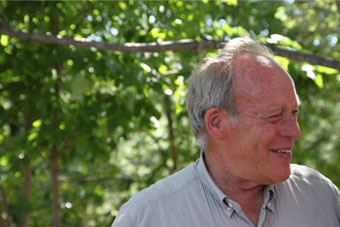
David has been successfully writing about food for many years. He had a weekly Food Column in the Toronto Globe and Mail from 1978 until 1982 for which he received a Nabisco Food Writing Award. You may view David’s recent writing in every issue of Edible Toronto Magazine
Newsletters

It’s never too late for this New Year’s Pledge
If your New Year’s resolutions have lapsed, here is one more opportunity to substantially improve your farm business. The Agri-food Management Institute, Farm Management Canada and Growing Forward 2 have all joined to inspire more farmers to upgrade their business practices. The most successful (in terms of both profit and family time) were recently identified in an extensive study of large and small farm businesses conducted by Ipsos Reid Research. Keys to their success in order of importance are:
- Commit to continue seeking new information and opportunities
- Have up-to-date financial information for perceptive management
- Know costs of production to utilize in decision-making
- Regularly work with business advisors and consultants
- Have a formal business plan that is updated annually
- Prepare a budget then monitor it for projecting cash availability
In my years of consulting with ecological farmers, I have observed that they are all very good growers (because they never stop learning about what they love). But they are generally challenged due to failing to keep financial records up-to-date, do not accurately know their full Costs of Production, unable to anticipate cash availability, don’t appreciate that an advisor’s goal is to provide more value than they charge, and have not yet prepared a Business Plan. (The Ipsos study discovered that only 26% of farmers have a Business Plan!) Utilizing these “best practices” leads to improved financial ratios with reduced workload.
Final applications for GF2 Funding
Growing Forward 2 (GF2) generously provides 50% cost share funding for all these best practices for both farmers and food processors. February 23rd and June 1st, 2017 are the last intake dates to apply this funding. If you are looking for assistance with purchasing innovative equipment, you should first complete a Plan or Assessment for an independent confirmation that this equipment will significantly benefit your food or fiber business. Please call me right away if you have questions. (Be aware that GF3 may not start until mid 2018.)
Case Study of one of my Clients
In 2012, Ian Adamson was growing and selling microgreens, tomatoes, salad greens and herbs. Customers loved his products along with their consistent quality and availability. Since banks would not lend to such a precarious new agricultural enterprise, some customers actually lent money to help boost production. But as he had expanded too quickly for his available working cash, payables remained precariously overdue while he and his wife survived on a meager draw. Ian asked for my help.
The first thing I did was set up a budget and standardized chart of accounts so he could have reasonable Cash Flow Projections inform his creditors when they could be paid. Then I calculated the full Costs of Production so he would know which products to promote, which ones to boost prices, and which to cease production. In order to concentrate on the higher margin microgreens he stopped growing salad greens, tomatoes and herbs,. Profits quickly increased. With the business stabilized, we could prepare a formal Business Plan and develop a strategy for future growth. Growing Forward 2 (GF2) provided cost share support for developing all these business management tools. York County Conservation, Ontario Hydro, Enbridge Gas, Greenbelt Foundation, and AgriInnovation, along with GF2 continued cost share supports for:
- Organic soil blending equipment to eliminate nutrient runoff into the local watershed
- Market Research to confirm the primary reasons customers were selecting his products
- Website Development to clearly inform customers how Greenbelt Microgreens provides value
- Point of Sale Marketing posters, tastings, and branded labels for informative presentations
- LED Lighting for energy savings that also produced healthier plants and longer shelf-life
- High efficiency boiler and energy curtains for both winter and summer energy savings
- Food Safety food-grade equipment and training to enable certified sales to supermarkets
- Seeding and Harvesting machines developed with equipment manufacturers for efficiency and quality
- Acrylite roofing for improved insulation and wider spectrum light for more flavourful, healthier, and colourful plants
With a solid Business Plan in hand, Ian was able to speed up his growth curve with a BDC loan and equipment leases. In only five years, he tripled sales, paid all overdue debts, and became able to bring home a reasonable salary. Plus, the business received a Premier’s Award for Agri-food Innovation Excellence! The business is at last in a position to afford a return to producing exceptional local salad greens.
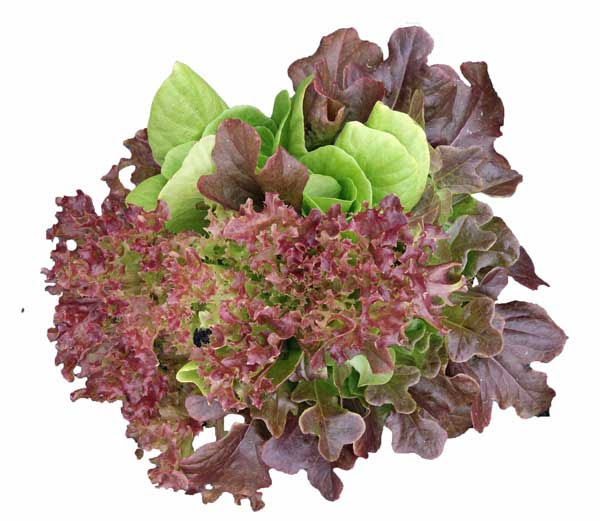
I dissuaded Ian from signing the extraordinarily one-sided Vendor Buying Agreement required by supermarkets. After presenting them with pages of objections, followed by a couple years of frustrating negotiations, he now has an equitable agreement. Ian went through this aggravation to benefit all other organic and local growers.
In keeping with the new Canadian Organic Standards that no longer permit hydroponic production, Ian has enhanced his soil-mix’s inherent fertility by inoculating it with beneficial biological activity (rather than maintaining the recommended sterility). This has actually resulted in reduced plant diseases along with adding more flavour, colour and shelf-life than imported hydroponic organic salad greens. I have also arranged for him to donate excess soil-mix to local non-profit organizations that train new organic farmers.
New Interest in Soil Health
Organic farmers have been actively concerned with the biological aspects of healthy [productive] soil since the beginning of the movement. Last November I was invited to an Ontario Ministry of Agriculture Soil Health Forum. I was apprehensive about understanding presentations by so many PhD’s, but with my SR&ED experimental research on soils, all was easily understandable. I was quite surprised by the mentions of various disturbing problems arising from conventional agriculture. (Two professors even intimated it may be time to jettison the standard NPK fertility paradigm.)
At an EFAO Conference a few days later, there were of course many soil health workshops: composting, reduced tillage, cover cropping, mob grazing, regenerative agriculture, soil biology testing, and soil food webs. I took the opportunity to speak with Jeff Moyer, Executive Director of Pennsylvania’s Rodale Institute, that was founded in 1947 to study the link between healthy soil, healthy food and healthy people. I told him about the sudden interest in soil health by the Ontario government; to which he replied that the same thing is happening in several US states. He is not sure of the motives for this newfound interest, so prays this is a positive development.
ALUS Canada (Alternative Land Use Services) was founded in 2006 to provide a network for governments, foundations, corporations and individuals to provide farmers with financial incentives to expand their healthy ecosystem services. These services include clean air, clean water, flood mitigation, climate adaptation, carbon sequestration, and species at risk habitats. Healthy soils naturally benefit everyone.
The Hidden Life of Trees
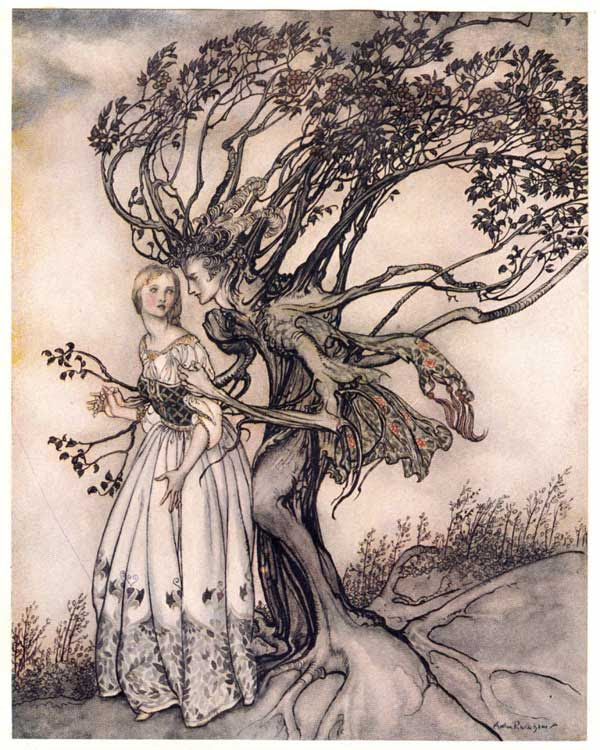
I have been intrigued by stories about British Colombia’s mature trees helping their saplings by sending nutrients and guidance through the “wood-wide web” of fungal roots. So I went to a bookstore to pick up a copy of The Hidden Life of Trees: What They Feel, How They Communicate. It was not to be found in the expected sections, so a clerk kindly told me it could be found in the Best Sellers section. Wow, interest in healthy soil and plants has risen to a whole new level!
Those of us who regularly observe the magic of plants interacting with the mysteries of soil, appreciate the social networking of trees described in this book is completely plausible. Somewhat similar research at the University of Guelph was done with how soybeans use the colour of light to interact with competition.
Late Winter Conferences
Unfortunately, two of the more interesting and intimate conferences had to be scheduled on the same day this year. Chapters of Canadian Organic Growers (COG) are sponsoring both. Whether you are a farmer or a consumer or a chef, please support COG by becoming a member and attending one of these conferences.
COG Toronto is hosting its 11th Annual Consumer Conference on February 25 at the University of Toronto Conference Centre. As in previous years, there will be many international consumer oriented experts and a fine luncheon. Click on the Speakers and Agenda buttons at the bottom of the webpage for detailed information.
COG Ottawa is hosting Eco Farm Day on February 25 and 26 at the Ramada Inn in Cornwall, Ontario. This farmer oriented conference will be highlighted by Restoration Agriculturist Mark Shepard. He has most successfully determined how to follow the principles of Permaculture and Biodynamics to create profitable paradigms to ecological farms. Mark will be the keynote speaker on Saturday; then provide a full-day workshop on Sunday.
Georgian College is hosting its Central Ontario Agricultural Conference on March 3 and 4 at the Barrie Campus. On Friday there will be modules for field crops, sheep and dairy; and on Saturday the emphasis will be organics, backyard farming, and horses.
10 Food Trends for 2017
My take on this year’s trends is not so much about specific ingredients, but about general lifestyle changes:
- Fresh fruits and vegetables will continue to replace processed artificially flavoured products. This healthier lifestyle will replace dieting.
- Soups made with delicious broths will be convenient and satisfying. They will be made less expensive and more nutritious by sneaking in healthy root vegetables and leafy greens.
- Fizzy beverages flavoured with summer fruits and vegetables or fresh herbs are refreshing and the water dilutes any sugars.
- Fear of fats will continue to decline as people discover that fat does not lead to weight gain. Instead, it provides lasting satiety that reduces desires for nibbling rich between meal snacks.
- Reducing waste will be accomplished by more frequent shopping for more minimally packaged ingredients. Consumers are discovering that more flavourful ingredients are more likely to be eaten before they spoil.
- Consumers will become more comfortable with the higher prices forecast by Dalhousie University’s Canada Food Price Report 2017. Fresh produce and meats will rise 4-6% (though dairy and eggs and processed foods will rise less than 2%).
- Interest in prebiotics – foods with soluble fiber (that feed probiotics in the gut) such as chicory, Jerusalem artichokes, garlic/leeks/onion, leafy greens, asparagus, dried beans/lentils, oatmeal, apples, nuts, bananas, and olive/sunflower oils.
- Interest in probiotics – foods with still living bacterial ferments such as yogurt, kefir, sauerkraut/kimchi/pickles, vinegar, kombucha, miso, and cheese.
- Insects. (Though I doubt many Westerners are ready for this.) However, we do like the results when they are fed to hens, chickens, pigs and cattle. Entomo Farms of Peterborough, Ontario is already the world’s largest producer of crickets and mealy worms outside of China.
- Once again, most prognosticators are forecasting the demise of kale. As long as growers refuse to sell under-watered bitter leaves, the trend for kale should continue. Cornell University is currently breeding some more appealing varieties.
To view previous Newsletters ...
My past newsletters may be seen by clicking here.
Archived Articles
- It’s never too late for this New Year’s Pledge February 2017
- Farm Supports benefit the economy October 2016
- Opportunities Coming Soon September 2016
- Marketing for the New Year February 2016
- Trans Pacific Partnership (TPP) October 2015
- August 27th July 2015
- New varieties to try this year April 2015
- What to do while waiting for the soil to dry March 2015
- 2015 International Year of Soil January 2015
- Farmers Supporting Farmers November 2014
- So do we want Export or Local Agriculture? October 2014
- Efficient Winter Greenhouse Growing September 2014
- Insights from the Willeys June 2014
- More Profitable Market Gardening June 2014
- What was CBC thinking? February 2014
- Happy New Year to You! January 2014
- We better start preparing for CETA November 2013
- Agriculture and Food in the GTHA September 2013
- Growing Forward 2 July 2013
- Magic Under Our Toes May 2013
- Terroir Toronto VII April 2013
- Cover Crop Benefits March 2013
- Agri-Food Opportunities February 2013
- 2011 Agriculture Census January 2013
- Growing Your Farm Profits November 2012
- Growing for Flavour September 2012
- Building Your Brand August 2012
- GTA Demonstration Farms June 2012
- Flavour from the Soil April 2012
- Golden Horseshoe Foods March 2012
- New Consulting Services February 2012